

Without Permission
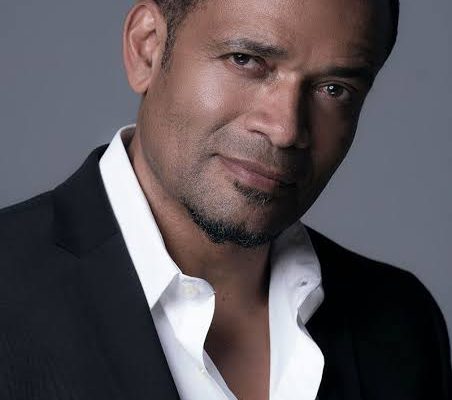
Mario Van Peebles has spent fifty years making films nobody asked him to make. This autumn, Paris says thank you.
He is sixty-nine. He is still working. And he is about to walk onto a Paris stage to collect the Ubuntu d’Honneur from L’Afrique Fait Son Cinéma, the festival that has become the city’s home for African, Caribbean and diaspora cinema. There will be a masterclass. There will be a room full of filmmakers who came to hear how a man survives an industry for half a century without ever quite belonging to it.
The short answer is that he learned it from his father, who did the same thing first, and paid more for it.
The father
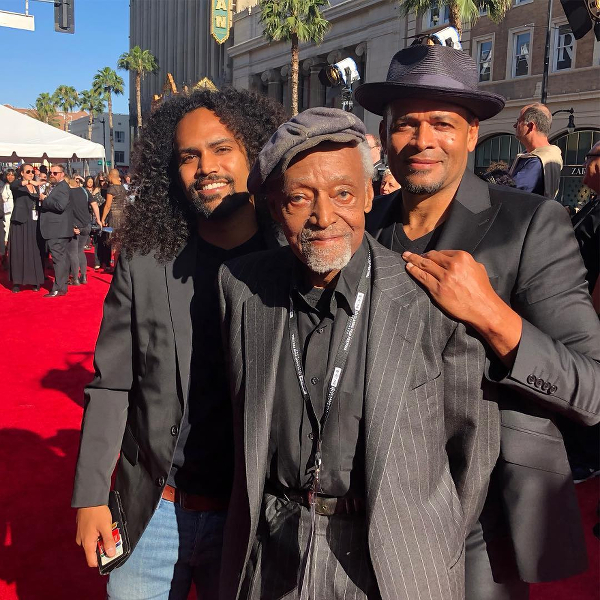
Melvin Van Peebles could not get a studio to finance Sweet Sweetback’s Baadasssss Song. So in 1970 he financed it himself, with his savings and a $50,000 loan from Bill Cosby. He shot it in nineteen days. He told the unions it was a pornographic film so he could hire a Black crew. He had no money for advertising, so he released the soundtrack first and gave the score to a band nobody had heard of yet, Earth, Wind & Fire.
It opened in two cinemas. It grossed more than fifteen million dollars.
Hollywood copied the formula and never hired him again. He went to Broadway, wrote novels, and spent part of his exile trading on Wall Street. When he died in September 2021 at eighty-nine, Spike Lee wrote a single line: “Damn, We Have Lost Another Giant!”
His son put it differently. “Dad knew that Black images matter.”
The son
Mario was born in Mexico City in 1957 and raised between Paris, Copenhagen, Morocco and San Francisco. He grew up around cameras the way other children grow up around horses.
He did not go straight into film. He took a degree in economics at Columbia, worked as a budget analyst in Ed Koch’s New York during the fiscal crisis, then traded commodities. He signed with Ford Models to pay for acting classes with Stella Adler. Numbers by day, stage by night.
He has never treated the two halves as separate. “Show business is much more about the business than the show,” he says, quoting his father.
1991
Clint Eastwood cast him in Heartbreak Ridge in 1986, then walked him into Warner Bros. and vouched for him. The result was New Jack City.
Eight million dollars in. Forty-seven and a half million out.
The casting is what people still talk about. Ice-T wanted the gangster; Wesley Snipes wanted the cop. Van Peebles swapped them, turning Snipes into Nino Brown and giving Chris Rock, a comedian, the film’s most devastating role. Ice-T, recruited in a nightclub, assumed nothing would come of it. “I thought he was just making Hollywood conversation.”
The film opened four days after the Rodney King footage aired. It changed what American audiences expected from a Black-led picture, and it changed what the industry was willing to spend on one. Nino Brown’s coats and glasses shaped a decade of style on their own.
That same year, People named Van Peebles one of the fifty most beautiful people in the world. Directing the most profitable film of the year while appearing on that list is not a common combination.
The cost
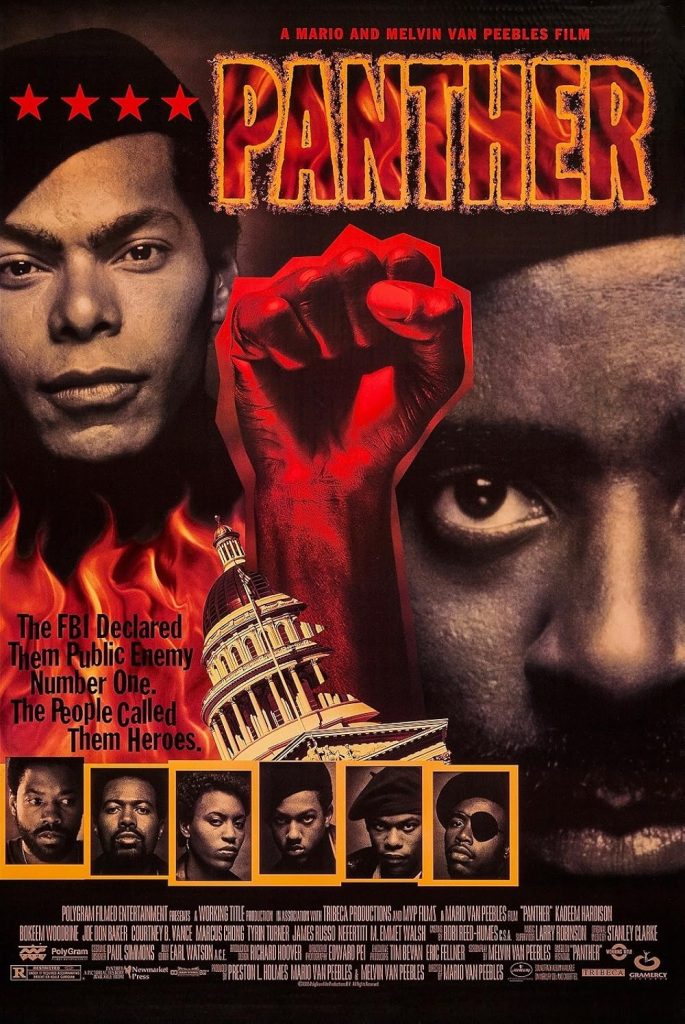
He followed it with a Black western, Posse, made for $3.5 million and returning around twenty. Then Panther, adapted from his father’s novel, about the founding of the Black Panther Party.
Studios wanted a white lead inserted to reassure a wider audience. Father and son refused. The film won the Silver Leopard at Locarno and remains almost impossible to find.
He is straightforward about what that cost him. “They shut the financial door on Black film for damn near 20 years,” he says of the drought that followed.
Playing his father
In 2003 he wrote, produced and directed Baadasssss!, and played Melvin in it, during the making of Sweetback.
He softened nothing. The genius is there and so is the selfishness, including what the production cost the people around it. Roger Ebert gave it four stars and called it “one of the best movies I’ve seen about the making of a movie.” Leonard Maltin thought it Van Peebles’ finest and most personal work.
It took around $366,000 at the box office. In 2021 the Criterion Collection restored it in 4K and released it in a boxed set, with a commentary track recorded by father and son.
Some films do not find an audience. They wait for one.
The family
He has five children, among them Maya, Marley and Mandela, named for Nelson Mandela. Mandela has been in front of his father’s camera since childhood.
In 2024 they made Outlaw Posse together, a western with Whoopi Goldberg, Edward James Olmos and Cedric the Entertainer, thirty years after Mario made Posse with Melvin. The film’s tagline reads like a family motto: “when laws are unjust, the just become outlaws.”
The same year he appeared at Lincoln Center in MVP, a play in which he plays his father again. In it, Melvin tells him that he brought his son into the game, and that when the business forgot him, his son brought him back into it.
Melvin gave Mario his first lines on screen. Mario gave Melvin his last.
Paris
L’Afrique Fait Son Cinéma was founded in 2019 by the Cameroonian-born producer Blaise Pascal Tanguy. It has grown into a proper Paris fixture: screenings, a professional market, industry panels on financing and technology, and the Ubuntu Awards.
Giving Van Peebles the Ubuntu d’Honneur is a nod to two generations rather than one. His masterclass is likely to be the practical kind. He tends to talk about money, rights, and how to say no without ending a career.
What he believes, and has said for thirty years, is simpler than any of that: “culture can be a healing force.”
(Editorial note: confirm the edition number, dates and venue with the festival before publication.)
He played Malcolm X opposite Will Smith in Ali. He has directed Empire, Lost, Damages, Sons of Anarchy, Wu-Tang: An American Saga. He is developing a film about the birth of rock and roll.
None of it looks like a man arranging his legacy. It looks like a man with work booked.
He inherited the heaviest name in Black American cinema. He never hid behind it and he never sold it.
He just kept using it.